
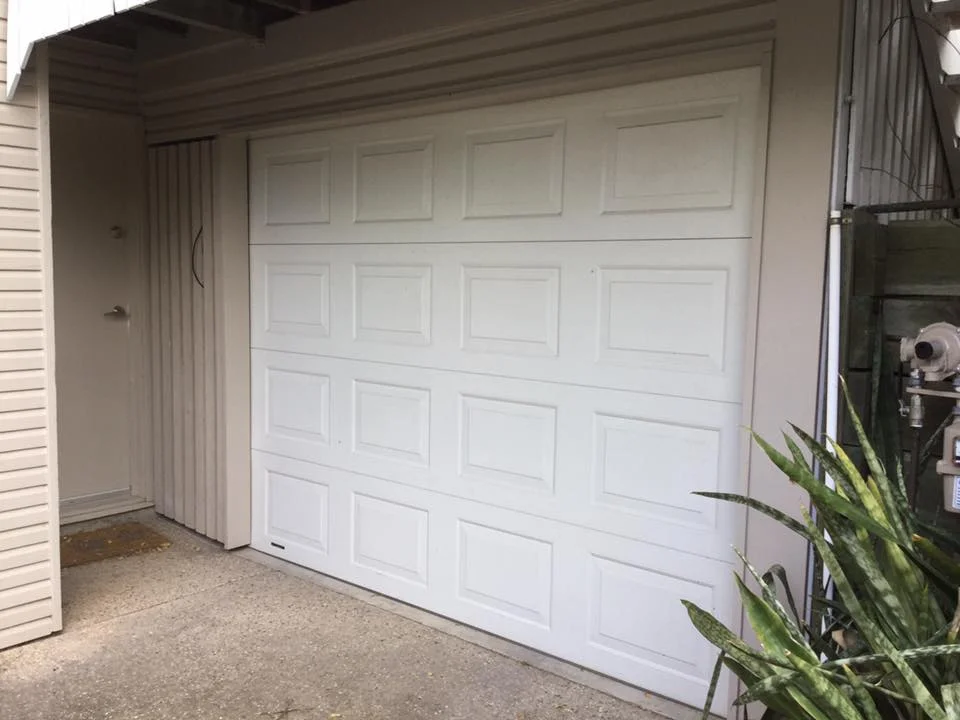
There’s nothing quite like standing in your driveway, remote in hand, wondering why the garage door isn’t listening anymore. It’s one of the more common frustrations Brisbane homeowners run into, and in most cases it isn’t the disaster it first looks like. Before assuming the worst, it’s worth working through a few checks – most of these calls come down to something that takes minutes to sort, not days.
Sometimes, though, the fault runs deeper than a flat remote battery or a knocked sensor. A worn motor, a failing circuit board, or damage left behind by Brisbane’s storm season can all stop an opener dead in its tracks. Knowing the difference between a quick fix you can handle yourself and a job that calls for proper garage door repair service can save you from turning a minor issue into a bigger one. This checklist walks through exactly what to check, in what order, and when it’s worth picking up the phone.
Why Brisbane Garages Are Particularly Hard on Openers
Before we get into the checklist itself, it helps to understand why this issue comes up so often here specifically. Brisbane’s climate isn’t kind to garage door hardware. Humidity swings between soaking wet summers and dry winters cause circuit boards to corrode faster than they would in more temperate cities. Add in the storm season – power surges during a sudden afternoon downpour are one of the leading causes of opener failure we see between November and March – and you’ve got a recipe for openers that just stop responding without warning.
If your opener has gone quiet after a storm, a surge is often the first thing worth suspecting. If it’s been a slow decline over weeks, that points more toward wear and tear on the motor or logic board – which is a different kind of garage door opener repair altogether.
The Checklist: Work Through These Before Calling Anyone
Here’s the order we’d actually check things in if we turned up at your place. Go through it step by step – most calls we get turn out to be one of the first three items.
1. Check the Remote Batteries First
It sounds obvious, but it’s the single most common reason we get called out for what turns out to be a non-issue. If the light on your remote is dim or not lighting up at all when you press the button, swap the battery before doing anything else. While you’re at it, check whether the wall-mounted control panel inside the garage still operates the door – if it does, you’ve narrowed the problem down to the remote itself, not the motor.
If the wall control also fails to trigger the door, the fault likely sits with the opener unit itself rather than the remote, and you can skip ahead to the motor and circuit board section below.
2. Look at the Safety Sensors
Most openers installed in the last decade or so include infrared safety sensors mounted near the bottom of the door tracks. If anything – a bike, a garden hose, a stray bit of dust or a spiderweb – is blocking the beam between them, the opener will often refuse to respond at all, or it’ll close partway and reverse. Wipe both sensor lenses down with a soft cloth and make sure they’re facing each other directly. A knocked sensor bracket (easily done if something’s brushed past it) is enough to throw the alignment off.
3. Rule Out a Power Supply Issue
Check that the opener is actually receiving power. Look for a small LED light on the motor unit itself – if it’s off, check the power outlet, the circuit breaker, and whether anything else on that circuit has also lost power. Brisbane storm season makes this worth checking first, since a tripped safety switch after heavy rain is common and has nothing to do with the door hardware itself.
4. Try a Garage Door Opener Reset
If the remote and wall control are both unresponsive but the unit has power, a garage door opener reset is worth trying before assuming anything’s broken. Most brands have a small “learn” or reset button on the back or side of the motor unit. Holding this down for a few seconds usually clears the memory and lets you re-pair your remotes from scratch. If your opener responds normally after a reset but drops the connection again within a few days, that’s usually a sign of a failing logic board rather than a settings issue – worth flagging to a technician rather than resetting repeatedly.
5. Listen for the Motor
If you press the remote and hear a hum, click, or strain from the motor but the door doesn’t move, that’s a different problem entirely – likely mechanical rather than electrical. This can point to worn drive gear, a slipping chain or belt, or, in some cases,s a spring issue putting too much resistance on the system for the motor to overcome. This isn’t something to keep testing repeatedly; running a straining motor against resistance can burn it out faster and turn a straightforward job into a full garage door motor repair or replacement.
When It’s Not the Remote – Motor and Circuit Board Faults
If you’ve worked through the checklist above and the opener still isn’t responding, the issue has likely moved past anything you can fix from the driveway. The two most common culprits at this point are:
A failing circuit board: These control everything from remote pairing to safety reversal, and Brisbane’s humidity is genuinely hard on the internal components. A board on its way out often shows warning signs first – flickering lights, random reversals, or an opener that only responds some of the time – before it fails.
Motor wear: Openers are rated for a certain number of cycles, and after years of daily use (particularly in households running two cars through the same door multiple times a day), the motor itself can simply wear out. A motor that’s straining, overheating, or cutting out mid-cycle is telling you it’s close to the end of its working life.
Both of these are jobs for a qualified technician rather than a DIY fix – not because the diagnosis is difficult, but because garage door systems carry genuine tension and electrical risk if you’re not familiar with how they’re assembled. This is where most homeowners decide it’s time to book in a proper garage door opener repair rather than keep guessing.
DIY Reset vs Calling in Garage Door Specialists
There’s a clear line between what’s safe to check yourself and what’s worth handing over. Batteries, sensor alignment, and a basic reset are all fair game – none of them involves opening the unit or touching anything under spring tension. Once you’re looking at internal wiring, motor gears, or anything involving the door’s springs and cables, that’s the point to call in garage door specialists rather than keep experimenting.
We say this not to upsell a callout – plenty of the calls we get are solved over the phone once we’ve talked through the checklist above. But garage doors carry real force, and a motor or spring that’s been mishandled can cause injury or expensive damage to the door panels and track. If you’ve gone through every step here and you’re still standing in the driveway with an unresponsive door, it’s a sensible time to get a second set of eyes on it.
Preventing the Next Opener Failure
A bit of regular garage door maintenance goes a long way toward avoiding this exact situation in the first place. A few habits worth building in:
- Test the auto-reverse safety function every few months by placing something in the door’s path as it closes.
- Wipe down sensor lenses and check their alignment seasonally, particularly after storms.
- Lubricate moving parts (rollers, hinges, tracks) roughly twice a year – Brisbane’s humidity dries out lubricant faster than cooler climates.
- Keep an eye on how the motor sounds day to day. A sudden change in noise is usually the earliest warning sign of a problem worth catching before it becomes a bigger garage door repair service call.
Openers that get this kind of basic upkeep tend to run for years longer than ones left completely alone until something fails.
New Opener vs Repairing the Old One
If your opener is more than eight to ten years old and this isn’t the first fault you’ve had, it’s worth weighing up a garage door opener installation against yet another repair. Older units often lack the safety sensor standards required under current Australian regulations, and repeated circuit board failures usually mean the unit is simply reaching end of life. Installation standards for automatic openers in Australia are governed under AS/NZS 60335.2.95, which sets out the safety requirements – including entrapment protection – that any compliant opener needs to meet.
For a door that’s had one or two isolated issues, a targeted garage door motor repair or component replacement is usually the more sensible call. It’s a conversation worth having with a technician rather than guessing, since the right answer depends on the age, brand, and history of your specific setup.
Conclusion
A garage door opener that’s stopped responding is frustrating, but it’s rarely a mystery once you know where to look. Work through the checklist above – batteries, sensors, power, reset, and motor sound – and you’ll usually land on the answer, or at least narrow it down enough that a technician can sort it quickly rather than starting from scratch.
If you’ve been through the steps and you’re still stuck, get in touch with GT Garage Motors. We handle garage door opener repairs across Brisbane every week, from quick remote and sensor fixes through to full motor and installation work, and we’ll always tell you straight whether it’s a simple fix or something bigger. Call us or book online, and we’ll get your door back under control.
Frequently Asked Questions
1. Can I fix a garage door opener myself, or should I call a technician?
Basic checks – batteries, sensor alignment, and a simple reset – are safe to do yourself. Leave anything involving the motor, wiring, or the door’s springs and cables to a technician, since these components carry real tension and electrical risk.
2. How do I know if it’s the remote or the opener that’s faulty?
Try the wall-mounted control panel inside your garage. If that operates the door normally but the remote doesn’t, the remote or its battery is likely faulty. If neither works, the issue is more likely with the opener unit itself.
3. How often should a garage door opener be serviced?
We’d generally recommend a check-up once a year, with a few basic maintenance habits – lubrication, sensor cleaning, testing the auto-reverse function – done more regularly in between. Homes that skip servicing altogether tend to see more emergency callouts, particularly after storm season.