
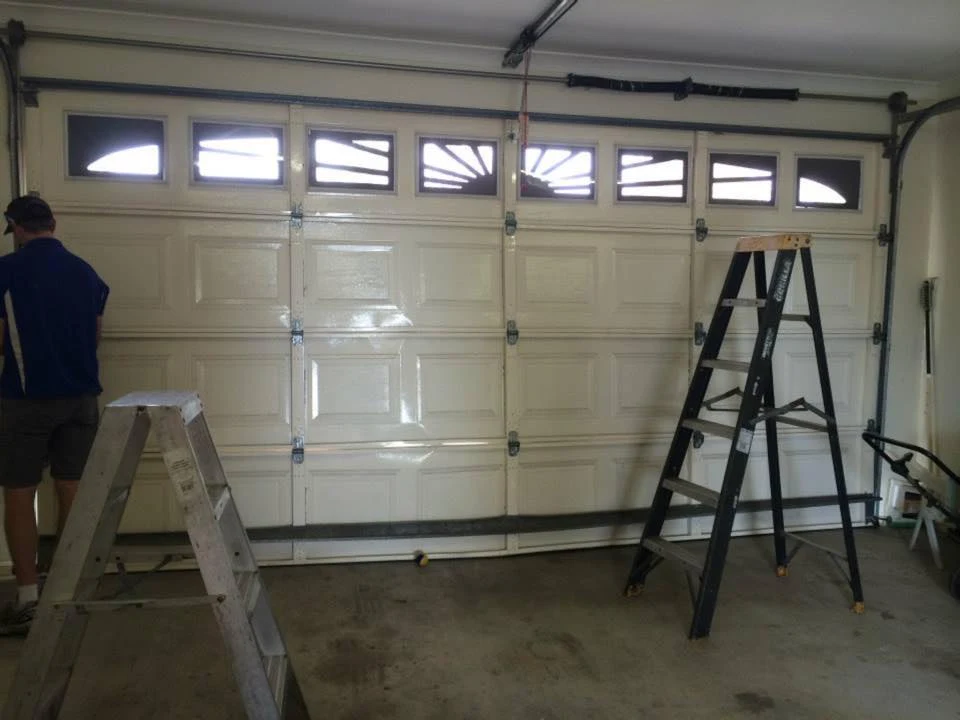
Your garage door is probably the most-used moving part in your home, and you use it several times a day without thinking about it. That’s why small problems slip by. A squeak here, a slow close there, and then one morning the door won’t budge.
A little garage door maintenance every few months is the cheapest way to avoid an expensive call-out for garage door repairs. At GT Garage Motors, we’ve looked after Brisbane garage doors for over 15 years, and we’ve found that most breakdowns we see could have been caught early.
These seven garage door maintenance tips cover what you can safely do yourself, what to leave to a professional, and why Brisbane’s climate makes it worth staying on top of. Treat it as a garage door maintenance checklist you can come back to each season.
Why Garage Door Maintenance Matters in Brisbane
Brisbane isn’t gentle on garage doors. Summer humidity encourages rust on tracks, springs and fixings, especially closer to the bay where salt air gets into everything. Heavy storms push water and grit into the tracks. And the sun bakes seals and plastic components until they go brittle and crack.
Add the fact that a typical door opens and closes well over a thousand times a year, and it’s no surprise parts wear out. Consistent garage door maintenance won’t stop wear, but it catches problems before one worn part takes something else down with it. A frayed cable replaced early is a small job. One that snaps under load can damage the door, the track or your car.
1. Give the Door a Proper Visual Inspection
Good garage door maintenance starts with just looking. Once a month, stand inside the garage and check the door from top to bottom. You’re looking for anything that’s changed: gaps between panels, dents, rust spots, loose brackets, bent tracks and rollers that are worn or chipped.
Then run the door through a full open and close cycle and listen. Grinding, scraping, popping and shuddering all mean something is off. A door that’s suddenly louder than it was last month is telling you something, even if it still works.
Keep the tracks clear too. Leaves, dirt and cobwebs build up fast in a Brisbane garage, and a wipe with a dry cloth is often all it takes. If you spot something you’re unsure about, take a photo. It’s handy for comparing next month or showing a technician.
2. Stick to a Regular Garage Door Lubrication Routine
Garage door lubrication is the easiest job on this list, and the one people most often get wrong. Use a silicone-based or garage-door-specific spray on the hinges, roller stems, springs and the pivot points of the opener arm. Skip heavy grease, and don’t rely on WD-40 as your main lubricant. It isn’t designed for long-term lubrication and can attract dust.
Don’t lubricate the inside of the tracks. Rollers need to roll, not slide, and oil in the track just collects grime. Wipe the tracks clean and leave them dry.
Every three to six months is a good rhythm. If your door is squeaking, this is usually the first thing to try, and it’s often the difference between a quiet door and one that announces every arrival to the whole street. It’s the kind of garage door maintenance job that takes ten minutes and pays off straight away.
3. Tighten Hardware and Check the Hinges
All that opening and closing shakes things loose. Grab a socket set and check the bolts on the brackets, hinges and track supports, and snug up anything that’s loose. Don’t touch the bottom bracket or anything connected to the spring or cable system. That’s high-tension hardware, and it’s for a professional.
While you’re there, look at each hinge on a panel lift door. Cracked, bent or worn hinges put uneven stress on the panels and can let the door twist in the track. If you find a damaged one, a broken hinge replacement is a quick job for a technician. It’s far cheaper than replacing a panel that’s been pulled out of shape. Small checks like this are exactly the garage door maintenance that saves you money down the track.
4. Do a Garage Door Safety Check
A garage door safety check takes about five minutes and matters more than anything else here. Do these three tests:
- The balance test: With the door closed, pull the emergency release cord to disconnect the opener, then lift the door by hand. A well-balanced door lifts smoothly and stays put around halfway. If it slams down or shoots up, the springs need attention, and that’s not a DIY fix.
- The reverse test: Lay a solid object, like a length of timber, flat in the door’s path and close the door with the opener. It should stop and reverse when it touches it. If it doesn’t, the opener settings need adjusting by a technician.
- The sensor test: Check that the safety sensors near the floor are clean, aligned and showing their indicator lights. Wipe the lenses with a soft cloth.
With kids, pets or a car parked underneath, this is the best reason to keep up with garage door maintenance.
5. Leave Springs and Cables to the Professionals
This is where we get firm. Garage door springs and lift cables are under serious tension, and DIY attempts can cause serious injuries. You can inspect them, but that’s where it stops. This is the one part of garage door maintenance where doing less is safer.
Here’s what to look for:
- A visible gap in a torsion spring
- Stretched or sagging extension springs
- Rust on springs or cable ends
- Frayed cables or loose strands
- A door that feels heavy, jerks, or hangs crooked
If you see any of it, stop using the door and call for garage spring replacement or cable replacement. If your door has two springs and one has broken, the other has done the same number of cycles, so replacing both is usually the sensible call. A good technician will tell you honestly what needs doing.
6. Look After the Opener and Remotes
Garage door opener maintenance is easy to forget because the motor sits up on the ceiling, out of sight. Every few months, check that the opener is firmly mounted, the chain or belt isn’t sagging, and the arm connections are tight. Listen for a motor that strains or hums without moving the door. That often points to a balance problem with the door itself, not a faulty motor. Opener checks are part of good garage door maintenance too, because a motor works harder when the door it’s lifting isn’t running smoothly.
Test the remotes and wall button as well. If a remote is patchy, swap the battery first. If it’s still unreliable or has stopped working altogether, a broken remote replacement is usually simple, and a new one can be paired with your opener. If your opener has a backup battery, check it so the door still works in a storm blackout. It’s also worth knowing where your manual release cord is.
Anything beyond battery changes and basic checks, like wiring or the power supply, is electrical work. Leave it to a licensed professional. The Queensland Electrical Safety Office has more on electrical safety around the home.
7. Book a Professional Garage Door Service
DIY checks catch a lot, but they can’t replace a proper garage door service. A technician checks spring tension, balance, cables, the opener’s force settings and every moving part, and adjusts what needs it. Think of a professional service as the backbone of your garage door maintenance.
As a rule of thumb, once a year is sensible for most Brisbane homes, and more often if the door gets constant use or you live near the coast. Book sooner if the door is running slowly, sagging on one side or making new noises. A service costs far less than emergency garage door repairs after something fails at 7 am when you’re trying to leave.
Your Garage Door Maintenance Checklist at a Glance
- Monthly: visual inspection, listen for new noises, wipe the tracks, clean the sensor lenses.
- Every 3–6 months: lubricate hinges, rollers and springs, tighten hardware, run the safety tests, check the opener and remotes
- Every year: book a professional service
- Any time you spot damage: call a technician for springs, cables and hinges
Keep Your Door Running Smoothly
Consistent garage door maintenance is a few simple habits: look, listen, lubricate, test and book a professional service each year. Do that, and your door will be safer, quieter and much less likely to leave you stuck.
If you’re seeing warning signs, or you’d just like an expert to look over your door, GT Garage Motors is here to help. Get in touch with our team for a garage door service or a quote on repairs anywhere in Brisbane. We’d rather see you for garage door maintenance than for an emergency call-out.
FAQs:
1. How often should garage door maintenance be done?
Do quick checks monthly and hands-on jobs like lubrication every three to six months. Have a professional service at the door about once a year. Regular garage door maintenance is what stops small wear from turning into a breakdown.
2. What’s the best lubricant for a garage door?
A silicone-based or garage-door-specific spray works best on hinges, roller stems and springs. Avoid heavy grease, and keep lubricant out of the tracks. Keeping the right products on hand makes garage door maintenance quicker and cleaner.
3. How do I know if my garage door spring is broken?
Common signs are a loud bang from the garage, a door that won’t lift, a door that feels very heavy when you lift it by hand, or a visible gap in the spring. Stop using the door and call a technician.